

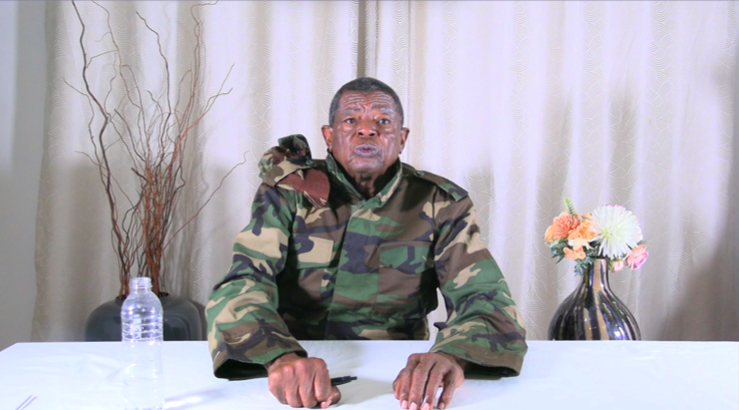
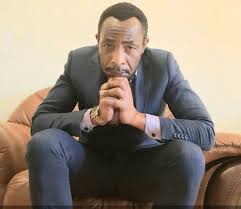
Blessed Runesu ‘Cde Bombshell’ Geza:
The Revolutionary who refused to be silenced. A liberation war veteran, former ZANU PF Central Committee member, and outspoken critic of post-independence governance failures. He is known for rejecting political comfort in favour of confrontation with power.
What did he stand for?
Geza stood for constitutionalism, accountability, and the belief that liberation imposes lifelong duties. He argued that independence was meaningless if it produced corruption, repression, and elite enrichment at the expense of ordinary citizens.
Why did he oppose Mnangagwa’s administration?
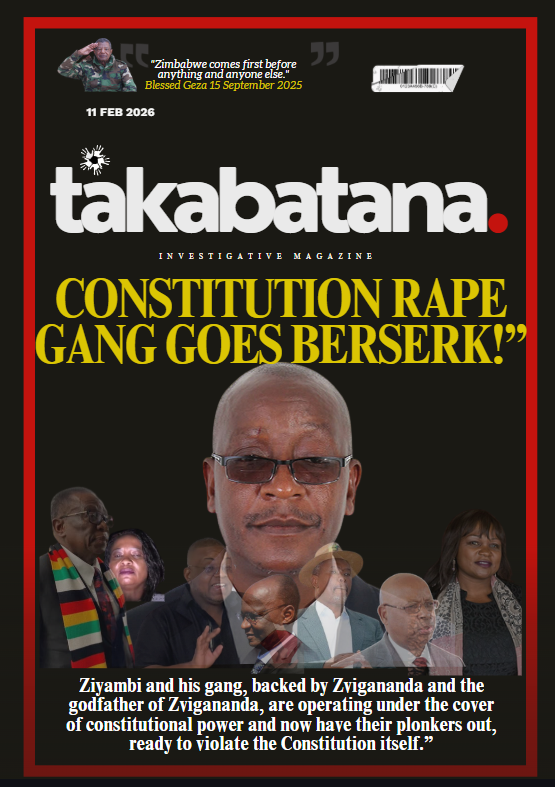
Geza called out the current leadership of betraying the liberation struggle through corruption, constitutional manipulation, and tolerance of politically connected elites, known as Zvigananda. He believed the post-2017 coup had failed to deliver genuine reform.
Why was his expulsion from ZANU PF significant?
His removal from the Central Committee marked a decisive break between the ruling party and one of its own liberation veterans. It was a moment of growing intolerance for internal dissent and exposed tensions between revolutionary history and present-day power.
Why did his final year matter?
In his last year, Geza chose resistance over safety. He rejected the “easy path” of silence and privilege, opting instead to speak for the people despite political isolation, exile, and personal risk.
Why does his legacy resonate?
To many Zimbabweans, especially the youth, Geza symbolised the idea that conscience does not expire with age. His life bridged past and present and awakened the nation to the fact that the struggle for dignity and justice did not end in 1980.
Why does it still matter now?
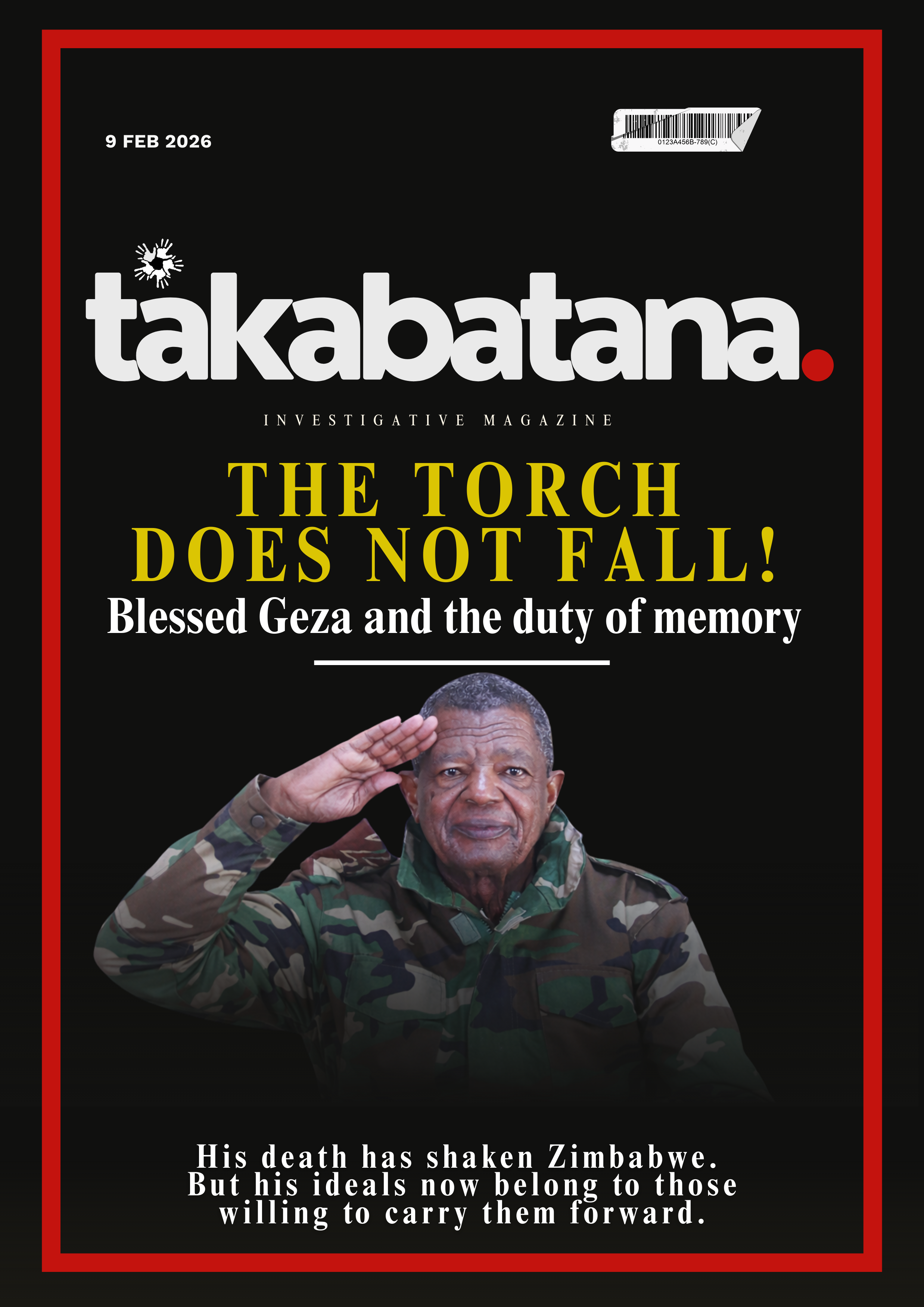
Geza died while still politically engaged. For supporters, that fact alone reinforces his central message: the struggle continues, and its torch must be carried forward by those who believe that Zimbabwe’s future must be earned, not inherited.



Leave a Reply